Why NY Drivers Save Money Buying Vehicles in New Jersey
The financial advantage starts with basic market economics. New Jersey dealerships operate in a highly competitive environment with more dealers per capita competing for your business. This competition translates directly into lower sticker prices and better negotiating leverage for buyers.
The price difference extends beyond the vehicle itself. Documentation fees, dealer preparation charges, and add-on costs often run lower in New Jersey's more flexible regulatory environment. The savings become particularly noticeable for higher-priced vehicles where percentage differences compound into substantial dollar amounts. With nationwide new car transaction prices averaging around $49,000 in 2026, even small percentage savings translate to meaningful cash back in your pocket.
Geographic proximity makes this advantage practical. Dealerships near Route 4 in Englewood Cliffs understand cross-state purchasing and have streamlined processes to serve New York buyers efficiently. You can browse new vehicle inventory, complete your purchase, and drive home the same day without dealing with complicated interstate logistics.
NJ vs NY Vehicle Pricing Overview
Understanding NJ car prices vs NY requires looking at several market factors that create persistent pricing gaps. Dealership concentration, inventory turnover rates, and regional demand patterns all influence what you'll pay for the same vehicle on either side of the state line.
Market Competition and Dealer Density
New Jersey packs numerous dealerships into a relatively small geographic area. This density creates intense competition where dealers must differentiate themselves through pricing rather than relying on location advantages. Bergen County alone hosts multiple competing franchises within minutes of each other, forcing aggressive pricing strategies.
The competitive pressure affects both new and used inventory. Dealers need to move vehicles quickly to make room for incoming stock, creating opportunities for buyers who time their purchases well. This turnover-focused approach contrasts sharply with markets where dealerships face less immediate competition.
Regional Pricing Trends That Benefit NY Buyers
Market dynamics consistently favor New Jersey pricing for comparable vehicles. New Jersey's car-dependent culture means higher trade-in volumes, creating abundant inventory that keeps prices competitive. Different consumer preferences between states also influence which vehicles dealers stock and how aggressively they price them.
Certain vehicle categories show particularly strong advantages. Pickup trucks and work vehicles often carry lower premiums in New Jersey compared to metropolitan New York markets. Sport utility vehicles also tend to be priced more competitively, reflecting New Jersey's suburban market dynamics. Whether you're interested in certified pre-owned vehicles or new models, the competitive market works in your favor.
Sales Tax and Registration: Understanding the Reality for NY Buyers
Tax structures create both opportunities and obligations when buying across state lines. Understanding exactly how sales tax works for cross-state purchases helps you plan accurately and avoid surprises during registration.
The Tax Rate Comparison
| Category | New Jersey | New York |
|---|---|---|
| Sales Tax Rate | 6.625% (flat statewide) | 4% state + local (up to 8.875% effective) |
| Documentation Fees | $499-$999 (no state cap) | Capped at $175 |
On a $49,000 vehicle, for example, New Jersey's sales tax totals $3,246.25, while New York's maximum rate reaches $4,348.75 (based on their county of residence). However, as a New York resident, you ultimately owe sales tax based on your residence location when you register the vehicle.
What NY Residents Need to Know About Sales Tax
Here's the critical reality: when you purchase a vehicle in New Jersey and later register it in New York, you will owe New York use tax based on the combined state and local rate in effect where you reside. This tax is not collected by the New Jersey dealer. You pay it directly to the New York DMV at the time you register the vehicle in New York.
New Jersey isn't on New York's reciprocal tax credit list, meaning the sales tax you pay in New Jersey doesn't offset your New York tax obligation.
The advantage of buying in New Jersey comes from competitive base pricing and market dynamics, not from avoiding New York sales tax. Dealers in New Jersey's competitive market often price vehicles more aggressively to attract buyers, and these lower base prices create your savings opportunity. When calculating your total cost, factor in New York's sales tax rate for your county, which you'll pay when registering the vehicle at your local DMV.
Dealer Fees and Market Competition
Beyond the vehicle price itself, dealer fees significantly impact your total cost. These fees vary substantially between New York and New Jersey, creating another factor to consider in your purchase decision.
Documentation Fee Comparison
New York caps documentation fees at $175 for dealers, creating a standardized cost across the state. New Jersey doesn't impose similar caps, with fees typically ranging from $499 to $999. However, market competition means New Jersey dealers often negotiate fees more flexibly than their New York counterparts operating under strict caps.
The competitive market also drives dealers to compete on total out-the-door costs rather than individual line items. You can sometimes reduce or bundle fees during price negotiations, particularly when purchasing higher-value vehicles. When comparing offers, always request the total out-the-door price, including all fees, taxes, and charges to make accurate comparisons.
How the Purchase Process Works for NY Residents
Required Documentation for Cross-State Purchases
You'll need your driver's license, proof of insurance, and proof of New York residency when purchasing in New Jersey. Bring a recent utility bill or bank statement showing your New York address. If you're financing, have your approval letter and financial information ready. You can also get pre-qualified online before visiting the dealership to streamline the process.
Title Transfer and Registration Steps
The dealer provides a signed title and bill of sale, which you will need to bring to your county DMV office to register the vehicle in New York. Take these documents to your county DMV office along with proof of insurance and payment for registration fees.
NY Buyer Checklist: Preparing for Your NJ Vehicle Purchase
- Verify current tax rates and fees with NJ MVC and NY DMV
- Secure NY-compliant insurance before driving off the lot
- Understand that NY sales tax will be due upon NY registration
- Gather documents: valid ID, proof of insurance, purchase contract
- Register your vehicle at the NY DMV and pay applicable taxes
Shop NJ Inventory With Cross-State Purchasing Support
Chrysler Dodge Jeep Ram of Englewood Cliffs serves New York drivers with a comprehensive inventory just minutes from the George Washington Bridge. Explore popular models like the Jeep Grand Cherokee or browse our full selection of new vehicles and certified pre-owned inventory.
Our finance department works with multiple lenders to secure competitive rates for New York buyers, and our team understands the full cross-state process. Contact us to discuss your vehicle needs and see how much you can save by shopping in New Jersey.
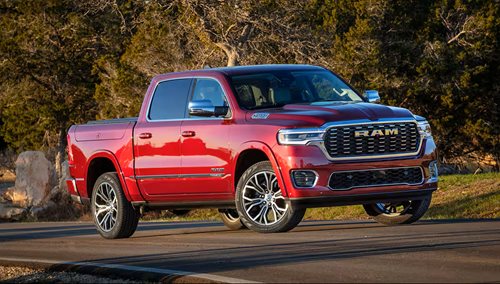
Photo Courtesy of Ram