Running a fleet of commercial vehicles on northern NJ routes means wear happens fast. Preventive fleet maintenance directly lowers long-term operating costs by reducing breakdowns, shortening downtime, and keeping major repairs off your bill entirely. Whether you operate two Ram trucks or a mixed fleet of vans and pickups, a structured PM program keeps vehicles productive and costs predictable. If it's been a while since your last service visit, schedule fleet service now before small issues become expensive ones.
Skipping scheduled service can feel like saving money in the short term. In practice, deferred maintenance just builds up risk. Fleets that improve PM compliance from 72% to 85% save $1,800–$2,400 per vehicle annually. Best-in-class fleets achieving 80–85% planned maintenance experience 25–35% lower total costs compared to reactive approaches. The math isn't complicated: stay ahead of wear, or pay a steep premium to catch up.
What Preventive Fleet Maintenance Includes
Preventive fleet maintenance is a collection of routine services and inspections designed to catch small problems before they turn into expensive repairs. Knowing what belongs on a fleet PM checklist helps managers make smarter decisions about when and how to service each vehicle.
Routine Oil and Fluid Services
Engine oil breaks down over time. Running a Ram 1500, Ram 2500, or Ram 3500 on dirty or low oil accelerates internal wear across every moving component. Regular oil changes, combined with checks on coolant, transmission fluid, power steering fluid, and brake fluid, keep every system within proper tolerances.
For trucks carrying heavy loads or running stop-and-go commercial routes, intervals often need to be shorter than Ram's recommended service schedule specifies for standard use. A PM program should reflect actual usage, not just calendar time.
Brake System Inspections and Servicing
Brake health is non-negotiable on commercial vehicles. Technicians should inspect pads, rotors, calipers, and brake lines on a consistent schedule. Worn brakes increase stopping distances and raise liability exposure significantly. Catching a worn pad during a routine inspection costs a fraction of what a rotor replacement runs, and that's before factoring in any accident-related claim.
Tire Rotation, Alignment, and Replacement
When rotation and alignment get neglected, tires wear unevenly, shortening their usable life and hurting fuel efficiency. For a fleet vehicle logging thousands of miles each month, proper tire maintenance translates directly to lower fuel costs and fewer premature replacements. Alignment also protects steering components, which get expensive to fix once they wear past spec.
Multi-Point Vehicle Inspections
A thorough multi-point inspection covers belts and hoses, battery condition, lighting, suspension components, and drivetrain health. This kind of comprehensive review gives fleet managers a clear picture of where each vehicle stands, creates documentation for smarter scheduling decisions, and flags upcoming needs before they become urgent repairs.
For ProMaster vans running daily delivery routes, regular reviews like this are especially valuable given the stop-and-go mileage they accumulate.
How Preventive Maintenance Reduces Total Cost of Ownership
Total cost of ownership (TCO) refers to the full lifecycle cost of owning and operating a vehicle, not just the purchase price. It includes fuel, maintenance, repairs, downtime losses, and resale value. When you manage TCO deliberately, a fleet preventive maintenance schedule becomes one of the highest-return investments you can make.
Reactive vs. Preventive: How the Two Approaches Stack Up
Here's how the two approaches compare:
Reactive maintenance:
-
Emergency repairs at 3–9x standard rates for the same component.
-
Towing fees added on top of already elevated repair costs.
-
Lost revenue from vehicles sitting idle during unplanned downtime.
-
No control over timing, making crew scheduling and customer commitments unreliable.
Preventive maintenance:
-
Scheduled services at manufacturer intervals, keeping per-job costs predictable.
-
Early wear detection before parts fail and damage adjacent components.
-
25–35% lower overall maintenance costs for fleets with strong PM compliance.
-
Reduced downtime and the ability to plan service around your workflow.
-
What the Cost Gap Looks Like at the Component Level
The cost gap shows up most clearly at the component level. Here is what the same service looks like when handled on schedule versus after a breakdown:
| Service Item | Preventive Cost (scheduled) | Reactive Cost (after failure) | Added Downtime |
|---|---|---|---|
| Oil change | $50 to $150 | $4,000 to $10,000 for engine replacement | 2 to 3 days |
| Tire rotation and inspection | $20 to $100 | $800 to $2,000 for new tires or accident-related damage | 1 day |
| Brake pad replacement | $150 to $400 per axle | $300 to $1,000 per axle for rotor and caliper replacement | 1 to 2 days |
| Coolant system flush | $100 to $250 | $1,500 to $5,000 for engine or radiator replacement | 2 to 3 days |
| Transmission fluid service | $150 to $400 | $2,000 to $6,000 for transmission repair | 3 to 5 days |
Figures are industry averages reported by Simply Fleet. Actual costs vary by vehicle class, parts availability, and labor rates in your market. For a Ram 2500 or ProMaster running daily commercial routes in northern NJ, real-world costs tend to land on the higher end of each range.
The pattern holds across every service category: catching wear early costs a fraction of what a full component failure does, and the downtime gap is just as meaningful as the dollar gap. A $100 oil change skipped often enough leads to an engine replacement that takes a vehicle off the road for the better part of a week.
Beyond avoiding catastrophic repairs, regular maintenance supports better fuel economy. Engines running clean oil with properly inflated tires consume less fuel. For a commercial fleet, even a marginal improvement in miles per gallon adds up meaningfully across the year. A disciplined PM program also preserves resale value, which matters when it's time to cycle out aging vehicles and offset the cost of replacements.
The Real Cost of Downtime vs. Scheduled Service
An unplanned breakdown doesn't just generate a repair bill. Downtime from breakdowns costs fleets $448 to $760 per vehicle per day in lost productivity, emergency repair premiums, and service delays. For a small business running three or four trucks, a single unexpected breakdown during a busy week can erase a week's margin.
The downstream effects go beyond the repair itself: missed deadlines, rescheduled appointments, and customers who may not return after a service failure. Fleets that follow a preventive approach see approximately 20% fewer downtime days compared to reactive operations. That gap compounds quickly over a full year.
A scheduled service appointment, by contrast, puts you in control. You decide when a vehicle goes in, how long it will be unavailable, and what gets done. That control is genuinely valuable for small businesses operating on tight timelines.
Unplanned downtime also strains the rest of the fleet. When one truck is unexpectedly out of service, others get overloaded to compensate, accelerating wear across the entire operation. A proactive maintenance schedule prevents that domino effect.
If your fleet is overdue, visit our service department to get vehicles back on a consistent service cycle.
Building a Fleet Maintenance Schedule That Works
Creating a reliable PM schedule starts with knowing your vehicles. Here are the steps to build a program that actually holds up in practice:
-
Assess current usage and condition. Document each unit's make, model, mileage, service history, and current status. A Ram 2500 pulling a trailer five days a week has very different service needs than a ProMaster on urban delivery routes.
-
Set service routines based on real-world use. Use Ram's recommended service intervals as a baseline, then adjust for load, terrain, and annual mileage. Severe-duty commercial use shortens oil change and brake inspection intervals.
-
Incorporate driver inspections. Drivers spend the most time in these vehicles and often notice changes in performance, noise, or handling before sensors do. Build a simple daily or weekly reporting habit into your program.
-
Track and adjust using software tools. Fleet management software platforms automate reminders, track service records, and flag upcoming needs by mileage or date. Even smaller fleets benefit from a centralized system that removes manual guesswork.
-
Proactively replace wear items before failure. Belts, hoses, brake pads, and filters should be replaced based on condition and interval, not just when they stop working. This is where the 3–9x cost differential between preventive and reactive repairs becomes most visible.
Why Local Businesses in NJ Rely on Consistent Fleet Service
For businesses operating in northern NJ and the New York metro area, reliable vehicles aren't optional. Traffic on Route 4, I-95, and surrounding corridors is genuinely hard on commercial vehicles. Stop-and-go conditions accelerate brake wear and transmission stress. Urban deliveries and contractor work require trucks and vans you can count on every single day.
Local contractors, tradespeople, landscaping companies, and service businesses all share the same dependency on fleet uptime. A breakdown in the middle of a delivery run or job site visit creates operational damage that ripples through the rest of the day. NJ also maintains emissions compliance requirements that affect diesel-equipped commercial vehicles, making regular inspection and maintenance part of staying street-legal, not just keeping costs down.
There's also a workforce safety dimension worth taking seriously. Employees driving well-maintained vehicles are safer on the road. Regular inspections catch tire, brake, and lighting issues before they create hazardous conditions. For business owners who carry that responsibility, a structured PM plan provides real operational confidence.
Checking our current service specials is a practical starting point if you're looking to get more value from your next service visit.
Schedule Fleet Service With a Dealership Built for Consistency
What Sets Certified Fleet Service Apart
Chrysler Dodge Jeep Ram of Englewood Cliffs serves small businesses, contractors, and tradespeople across northern NJ and nearby NY markets. Our certified service center handles everything a commercial fleet requires, from routine oil changes and tire rotation to diagnostics, warranty repairs, and recall work. Genuine Mopar parts are stocked on-site, keeping turnaround times short and repairs done right the first time.
For fleet operators running Ram 1500, Ram 2500, Ram 3500, or ProMaster vehicles, working with a single service partner who knows these platforms in depth simplifies the entire maintenance process. Our factory-trained technicians understand how these vehicles respond to commercial use and what to watch for at every inspection interval.
Take the Next Step
If your operation is ready to move from reactive repairs to a consistent fleet maintenance program, we're here to make that transition practical. Schedule your next service online or contact us directly to talk through what a fleet maintenance schedule looks like for your specific vehicles and routes. Fewer breakdowns, lower costs, and more predictable operations start with a single service appointment.
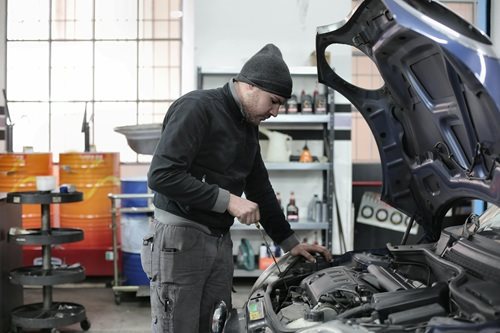
Mechanic checking a car engine in a garage, ensuring quality maintenance and repair. by Andrea Piacquadio is licensed with Pexels License.