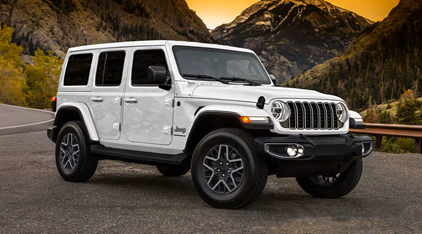
Here's the thing: there's no straightforward answer. The Wrangler gives you a completely different driving experience than your typical sedan or crossover. How comfortable you'll be depends entirely on what you expect, what matters most to you, and how much you're willing to compromise. This Jeep Wrangler highway driving review looks at what you can actually expect when you take it on the highway every day.
Is the Jeep Wrangler Comfortable for Highway Driving? The Verdict
The Wrangler sits in its own category. It wasn't built with highway cruising as the top priority, and you'll notice that in ways both obvious and subtle.
Most Wrangler owners say highway performance works fine for daily driving. The vehicle stays planted at highway speeds and doesn't wear you out behind the wheel. You won't confuse it with a luxury sedan, but you won't be fighting it either. Drivers report staying comfortable even after logging 2,000+ highway miles, which proves it's genuinely usable for long trips.
It comes down to what you prioritize. If you need smooth, library-quiet travel above everything else, you'll want something different. But if you want capability, style, and decent comfort all rolled into one package, the Wrangler could be exactly what you're looking for.
Jeep Wrangler Ride Quality on the Highway
Suspension Performance at Highway Speeds
The Wrangler's suspension tells you immediately that this truck was built for different terrain. The same components that let you crawl over boulders give you a stiffer ride on smooth asphalt. You'll feel road imperfections more than you would in vehicles designed specifically for highway comfort.
That said, the suspension does absorb bumps well and prevents harsh impacts from reaching you. It just doesn't isolate you completely from what's happening under the tires. Some drivers actually like this more connected feeling, it's part of the Wrangler's honest character. Others find it tiring on longer drives.
The bouncy quality shows up most on uneven highway sections. Hit some quick ups and downs and you'll get noticeable vertical movement. Your body adapts after a few miles, but passengers used to softer rides will definitely notice.
Chassis Stability and Handling
The Wrangler delivers solid highway performance without wearing you out. It tracks straight and doesn't need constant steering corrections on flat roads. Strong crosswinds require more attention than they would in a heavier, more aerodynamic vehicle, you'll make small adjustments during gusty conditions along I-95 and near the GW Bridge.
The steering feels less sharp than sporty vehicles, prioritizing toughness over precise feedback. This creates a somewhat disconnected feel, though most drivers get used to it quickly. The system gives you plenty of control for highway travel.
Highway Noise and Wind: What Wrangler Drivers Experience
Tire Noise and Road Surface Feedback
Tire noise is one thing you'll consistently notice. Those aggressive tread patterns that grip rocks and mud create serious road noise on pavement, especially on rougher highway surfaces.
How much noise depends on which tires you choose. All-terrain tires make more sound than highway-focused alternatives, creating a steady hum throughout your drive. You'll find yourself speaking up a bit or turning up the music compared to quieter vehicles.
Wind Noise and Top-Down Stability
Wind noise is another reality of highway Wrangler driving. That boxy shape creates aerodynamic challenges even with the hardtop properly secured. Wind turbulence generates more cabin noise than you'd get in streamlined vehicles.
Drive with the top down and these effects get dramatic. Wind buffeting becomes intense at highway speeds, amazing for scenic drives but exhausting for daily commuting. The hardtop makes a huge difference in highway comfort, though it never matches the quietness of traditional SUVs. When you're looking at options, browse our new Jeep Wrangler inventory to compare hardtop and soft top choices.
Seat Comfort and Ergonomics for Daily Driving
Front Seat Support and Driving Position
The front seats provide decent support for most drivers during typical commutes. That upright position gives you fantastic visibility, letting you see over traffic and spot what's coming. This commanding view helps make up for some other comfort compromises.
Long-distance comfort depends on getting the seat adjusted properly. The available adjustments help most drivers find workable positions, though really tall or short drivers might struggle to get everything dialed in perfectly. Lumbar support is adequate, you'll want to tweak it strategically during extended highway stretches.
Rear Seat Comfort Considerations
Rear seat comfort becomes an issue for families. Space constraints hit taller passengers hardest, with legroom feeling cramped for adults over six feet. The upright seatback angle doesn't encourage relaxation during long drives.
The rear bench lacks the support you'd find in family-focused SUVs. Combine the firmer suspension with road noise and seat firmness, and you've got challenges for rear passengers on trips longer than an hour. Kids generally adapt better than adults, and that upright position actually works well with car seats.
Wrangler Fuel Economy for Highway Commuters
Fuel economy matters a lot if you're driving highway miles daily. The Wrangler's aerodynamics and powertrain options produce mileage that trails many competitors. Knowing real-world performance helps you set realistic expectations.
Real-world testing at 75 mph shows 26 mpg with the turbo 4-cylinder and 13 mpg with the V-8. For the best efficiency, we'd recommend the turbo 4-cylinder or 4xe hybrid. Get pre-qualified for financing to understand your budget before you pick your powertrain.
Even the most efficient versions struggle to match purpose-built commuter vehicles. If you drive mostly highway miles, you should calculate potential annual fuel costs before you commit.
Jeep Wrangler vs. Toyota 4Runner vs. Ford Bronco: Highway Comfort Compared
Looking at highway comfort across capable SUVs puts the Wrangler's performance in perspective. Each vehicle strikes the balance between capability and on-road refinement differently.
The Wrangler wins in customization options and established aftermarket support. Understanding that none of these vehicles put highway comfort above everything else helps you set the right expectations.
Highway Driving Pros, Cons, and Your Readiness Checklist
Advantages for Highway Use
- Better suspension absorbs bumps well
- Stable at highway speeds without wearing you out
- Fun open-air cruising experience
- Strong community appeal and resale value
- Confidence-inspiring capability in all conditions
Disadvantages for Highway Use
- Noticeable wind and tire noise
- Steering wanders, requires minor corrections
- Fuel economy trails rivals, especially with V-8
- Firmer ride than traditional SUVs
- Limited rear passenger comfort
Quick Checklist for Highway Drivers
- Go with 4-door Unlimited for better ride quality
- Pick turbo 4-cylinder or 4xe for best mileage
- Test your noise tolerance on longer drives
- Consider Sahara trim for more refined on-road feel
Test Drive a Wrangler on New Jersey Highways at Chrysler Dodge Jeep Ram of Englewood Cliffs
Experience Highway Performance on Your Actual Commute Routes
Reading about highway comfort only tells you so much. Actually experiencing the Wrangler gives you the clarity that descriptions can't match. A solid test drive on highways similar to your daily commute shows you whether these trade-offs work for your situation.
We're located at 100 Sylvan Ave in Englewood Cliffs, convenient for northern New Jersey and nearby New York drivers. Our spot near Route 4 lets you test Wranglers on the actual highway conditions you'll face every day. Schedule a test drive to compare hardtop versus soft top noise levels and check out different trim options.
Our experienced team helps you evaluate specific concerns during your test drive. Talk through your commute length, passenger needs, and the highway conditions you deal with regularly. Pay attention to visibility, seat comfort, noise levels, and handling characteristics that matter most for your situation.
Find the Right Wrangler with Inventory and Financing Support
We keep inventory of new 2026 Wranglers plus used and certified pre-owned options, giving you several choices to compare. Our financing team works with multiple lenders to structure payments around your budget. For ongoing support, our service department helps maintain your Wrangler's highway performance with genuine parts and expert technicians.
The question isn't whether the Wrangler handles highways well enough. Most drivers find its performance perfectly acceptable for daily use. The real question is whether its unique personality and capabilities justify accepting compromises in traditional highway comfort. Your test drive answers that question definitively, helping you decide if this Jeep Wrangler highway comfort review matches up with your specific needs and driving priorities.